Vegetos

(An International Journal of Plant Research & Biotechnology)
(eISSN: 2229-4473)
Analysis of microsatellites (SSRs) of Curvularia geniculata strain SKG23 isolated from leaf spot disease of Mentha (Mentha arvensis L.)
*Article not assigned to an issue yet
Research Articles | Published: 30 June, 2026
First Page: 0
Last Page: 0
Views: 31
Keywords: Fungus, Genome, Sequence, Microsatellite
Abstract
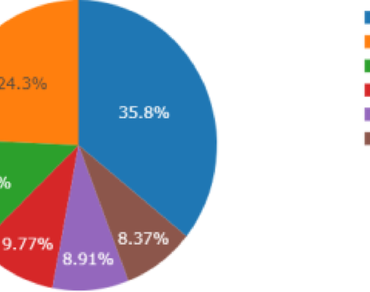
Microsatellites, or SSRs (simple sequence repeats), are now used in several genome-related investigations, including DNA fingerprinting, linkage mapping, and population evolutionary studies. In an earlier publication (Ghosh and Polley 2025), we reported whole genome sequencing of the Curvularia geniculata strain SKG23, an important pathogen of the medicinal plant Mentha arvensis L. Here, we present the results of our study on the occurrence and composition of SSRs in this species. SSR analysis exhibited that the hexanucleotide repeat was the longest, bearing an average length of 31.24 bp, followed by penta- (22.81), di- (21.78), tri- (19.57), tetra- (19.00 bp), and mononucleotide repeat (15.48 bp), which was the shortest average length. The result also showed that the percentage of trinucleotide perfect SSRs was the highest, followed by di-, tetra-, mono-, and penta-, and the lowest percentage was in the case of hexanucleotide. Furthermore, the total relative abundance (RA) (loci/Mb) and total relative density (RD) (bp/Mb) of the perfect SSR of this fungus have been calculated, and we found the highest RA in trinucleotides (18.53), followed by di- (11.3), tetra- (6.89), mono- (5.48), and penta- (3.96), but the lowest was recorded in hexanucleotides (3.17). RD was highest in trinucleotide (362.53), followed by di- (245.98), tetra- (130.93), hexa- (99.06), and penta- (90.28), but the lowest was found in mononucleotide (84.81 bp/Mb). Therefore, the analysis of SSRs of this pathogenic fungus may serve as a marker for pathogenicity and environmental adaptability after experimental validation.
References
Araujo R, Amorim A, Gusmão L (2012) Diversity and specificity of microsatellites within Aspergillus section Fumigati. BMC Microbiol 12:1–6. https://doi.org/10.1186/1471-2180-12-154
Baranda P, Islam S, Modi A et al (2024) Whole-genome sequencing of marine water-derived Curvularia verruculosa KHW-7: a pioneering study. Front Microbiol 15:1363879. https://doi.org/10.3389/fmicb.2024.1363879
Bhargava A, Fuentes FF (2010) Mutational dynamics of microsatellites. Mol Biotechnol 44:250–266. https://doi.org/10.1007/s12033-009-9230-4
Croager EJ, Gout AM, Abraham LJ (2000) Involvement of Sp1 and microsatellite repressor sequences in the transcriptional control of the human CD30 gene. Am J Pathol 156:1723–1731. https://doi.org/10.1016/s0002-9440(10)65043-2
Datta S, Mahfooz S, Singh P et al (2010) Cross-genera amplification of informative microsatellite markers from common bean and lentil for the assessment of genetic diversity in pigeonpea. Physiol Mol Biol Plants 16:123–134. https://doi.org/10.1007/s12298-010-0014-x
Garnica DP, Pinzón AM, Quesada-Ocampo LM et al (2006) Survey and analysis of microsatellites from transcript sequences in Phytophthora species: frequency, distribution, and potential as markers for the genus. BMC Genomics 7:1–11. https://doi.org/10.1186/1471-2164-7-245
Geistlinger J, Zwanzig J, Heckendorff S et al (2015) SSR markers for Trichoderma virens: their evaluation and application to identify and quantify root-endophytic strains. Diversity 7:360–384. https://doi.org/10.3390/d7040360
Ghosh SK, Pal S, Banerjee S (2022) Identification and pathogenicity of Alternaria alternata causing leaf blight of Bacopa monnieri (L.) Wettst. and its biocontrol by Trichoderma species in agrifields–an ecofriendly approach. J Appl Res Med Aromat Plants 31:100406. https://doi.org/10.1016/j.jarmap.2022.100406Get
Ghosh SK, Polley SK (2025) Whole genome sequencing, assembly and annotation of Curvularia geniculata strain SKG23 isolated from leaf spot disease of Mentha (Mentha arvensis L). Vegetos. https://doi.org/10.1007/s42535-025-01518-1
Guo X, Mrázek J (2008) Long simple sequence repeats in host-adapted pathogens localize near genes encoding antigens, housekeeping genes, and pseudogenes. J Mol Evol 67:497–509. https://doi.org/10.1007/s00239-008-9166-5
Iquebal MA, Jaiswal S, Mishra VK et al (2021) Fungal genomic resources for strain identification and diversity analysis of 1900 fungal species. J Fungi 7:288. https://doi.org/10.3390/jof7040288
Kim TS, Booth JG, Gauch HG et al (2008) Simple sequence repeats in Neurospora crassa: distribution, polymorphism and evolutionary inference. BMC Genomics 9:1–19. https://doi.org/10.1186/1471-2164-9-31
Lawson MJ, Zhang L (2006) Distinct patterns of SSR distribution in the Arabidopsis thaliana and rice genomes. Genome Biol 7:1–11. https://doi.org/10.1186/gb-2006-7-2-r14
Li CY, Liu L, Yang J et al (2009) Genome-wide analysis of microsatellite sequence in seven filamentous fungi. Interdiscip Sci Comput Life Sci 1:141–150. https://doi.org/10.1007/s12539-009-0014-5
Li S, Xu J, Hu Y et al (2024) Variation in SSRs at different genomic regions and implications for the evolution and identification of Armillaria gallica. PLoS ONE 19(10):e0312114. https://doi.org/10.1371/journal.pone.0312114
Li YC, Korol AB, Fahima T et al (2004) Microsatellites within genes: structure, function, and evolution. Mol Biol Evol 21:991–1007. https://doi.org/10.1093/molbev/msh073
Luo H, Wang X, Zhan G et al (2015) Genome-wide analysis of simple sequence repeats and efficient development of polymorphic SSR markers based on whole genome re-sequencing of multiple isolates of the wheat stripe rust fungus. PLoS ONE 10:e0130362. https://doi.org/10.1371/journal.pone.0130362
Mahfooz S, Maurya DK, Srivastava AK et al (2012a) A comparative in silico analysis on frequency and distribution of microsatellites in coding regions of three formae speciales of Fusarium oxysporum and development of EST–SSR markers for polymorphism studies. FEMS Microbiol Lett 328:54–60. https://doi.org/10.1111/j.1574-6968.2011.02483.x
Mahfooz S, Singh P, Maurya DK et al (2012b) Microsatellite repeat dynamics in mitochondrial genomes of phytopathogenic fungi: frequency and distribution in the genic and intergenic regions. Bioinformation 8:1171. https://doi.org/10.6026/97320630081171
Mahfooz S, Singh SP, Mishra N et al (2017) A comparison of microsatellites in phytopathogenic Aspergillus species in order to develop markers for the assessment of genetic diversity among its isolates. Front microbiol 8:1774. https://doi.org/10.3389/fmicb.2017.01774
Meloni R, Albanèse V, Ravassard P et al (1998) A tetranucleotide polymorphic microsatellite, located in the first intron of the tyrosine hydroxylase gene, acts as a transcription regulatory element in vitro. Hum Mol Genet 7:423–428. https://doi.org/10.1093/hmg/7.3.423
Mrázek J, Guo X, Shah A (2007) Simple sequence repeats in prokaryotic genomes. Proc Natl Acad Sci U S A 104:8472–8477. https://doi.org/10.1073/pnas.0702412104
Rawat S, Joshi G, Annapurna D et al (2016) Standardization of DNA extraction method from mature dried leaves and ISSR-PCR conditions for Melia dubia Cav.: a fast growing multipurpose tree species. Am J Plant Sci 7:437–445. https://doi.org/10.4236/ajps.2016.73037
Savadi S, Prasad P, Sharma K et al (2020) Development of novel transcriptome-based SSR markers in Puccinia triticina and their potential application in genetic diversity studies. Trop plant pathol 45:499–510. https://doi.org/10.1007/s40858-020-00347-8
Author Information
Molecular Mycopathology Lab, Biocontrol Unit and Cancer Research Unit, Ramakrishna Mission Vivekananda Centenary College (Autonomous), Rahara, India