Vegetos

(An International Journal of Plant Research & Biotechnology)
(eISSN: 2229-4473)
Bioactivity profiling of Schefflera venulosa (Wight & Arn.) Harms leaf extracts: insights into antibacterial, antioxidant, and anti-inflammatory potentials
*Article not assigned to an issue yet
Research Article | Published: 24 August, 2025
First Page: 0
Last Page: 0
Views: 545
Keywords: Phytochemicals, Secondary metabolites, ESKAPE, Antimicrobial, Anti-inflammatory
Abstract
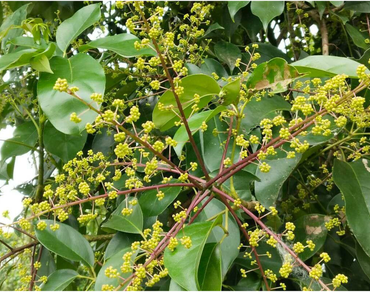
Schefflera venulosa, an evergreen shrub used in traditional medicine of Northeast India for treating wounds and inflammation, was investigated for its phytochemical composition and bioactivities. Leaves were extracted successively with hexane, ethyl acetate, hydroalcohol (ethanol–water), and aqueous solvents. Phytochemical analysis has revealed the presence of alkaloids, flavonoids, tannins, glycosides, saponins, steroids, and terpenoids in the extracts. The ethyl acetate extract (EAE) showed the highest yield and contained the highest total phenolic (224.57 ± 0.5 mg GAE/g) and flavonoid content (143.46 ± 0.7 mg QE/g). EAE also exhibited the strongest antioxidant activity in free-radical scavenging assays, comparable to standard antioxidants. In antibacterial assays against three ESKAPE pathogens (Staphylococcus aureus, Pseudomonas aeruginosa, and Klebsiella pneumoniae), only EAE demonstrated pronounced activity with inhibition zones up to ~ 31 mm at 50 µg/mL, comparable to the standard antibiotic ciprofloxacin. Minimum inhibitory concentrations (MIC) of EAE were 50 µg/mL against P. aeruginosa, and 100 µg/mL against K. pneumoniae and S. aureus. Furthermore, EAE exhibited significant in vitro anti-inflammatory effects in a human red blood cell membrane stabilization assay, indicating protection against heat- and hypotonicity-induced hemolysis (comparable to diclofenac at 200 µg/mL, p < 0.05). These findings provide the first scientific report on the phytochemical profile and bioactivities of S. venulosa from Northeast India and strongly suggest its potential as a source of new antimicrobial and anti-inflammatory agents to combat infections and inflammation.
References
Asokan GV, Ramadhan T, Ahmed E, Sanad H (2019) WHO global priority pathogens list: a bibliometric analysis of Medline-PubMed for knowledge mobilization to infection prevention and control practices in Bahrain. Oman Med J 34(3):184–193. https://doi.org/10.5001/omj.2019.37
Aswad M, Rayan M, Abu-Lafi S, Falah M, Raiyn J, Abdallah Z, Rayan A (2018) Nature is the best source of anti-inflammatory drugs: indexing natural products for their anti-inflammatory bioactivity. Inflamm Res 67(1):67–75. https://doi.org/10.1007/s00011-017-1096-5
Atanasov AG, Zotchev SB, Dirsch VM, Supuran CT (2021) Natural products in drug discovery: Advances and opportunities. In Nature Portfolio (Vol. 20, Issue 3, pp. 200–216). https://doi.org/10.1038/s41573-020-00114-z
Auwal MS, Saka S, Mairiga IA, Sanda KA, Shuaibu A, Ibrahim A (2014) Preliminary phytochemical and elemental analysis of aqueous and fractionated pod extracts of acacia Nilotica (Thorn mimosa). Veterinary Res Forum: Int Q J 5(2):95–100
Ayachi A, Ben Younes A, Ben Ammar A, Bouzayani B, Samet S, Siala M, Trigui M, Treilhou M, Téné N, Mezghani-Jarraya R (2023) Effect of the harvest season of anthyllis Henoniana stems on antioxidant and antimicrobial activities: phytochemical profiling of their Ethyl acetate extracts. Molecules 28(9):3947. https://doi.org/10.3390/molecules28093947
Baker D, Marta M, Pryce G, Giovannoni G, Schmierer K (2017) Memory B cells are major targets for effective immunotherapy in relapsing multiple sclerosis. EBioMedicine 16:41–50. https://doi.org/10.1016/j.ebiom.2017.01.042
Brahmachari G (2011) Natural products in drug discovery: impacts and opportunities—an assessment. In World Scientific (pp. 1–199). https://doi.org/10.1142/9789814335386_0001
Chen C-C, Lai C-C, Huang H-L, Huang W-Y, Toh H-S, Weng T-C, Chuang Y-C, Lu Y-C, Tang H-J (2019) Antimicrobial activity of Lactobacillus species against carbapenem-resistant enterobacteriaceae. Front Microbiol 10:789. https://doi.org/10.3389/fmicb.2019.00789
Chiș A, Noubissi PA, Pop O-L, Mureșan CI, Fokam Tagne MA, Kamgang R, Fodor A, Sitar-Tăut A-V, Cozma A, Orășan OH, Hegheș SC, Vulturar R, Suharoschi R (2023) Bioactive compounds in Moringa oleifera: mechanisms of action, focus on their anti-inflammatory properties. Plants 13(1):20. https://doi.org/10.3390/plants13010020
Chou C-T (1997) The antiinflammatory effect of an extract oftripterygium wilfordii Hook F on adjuvant-induced paw oedema in rats and inflammatory mediators release. Phytother Res 11(2):152–154. https://doi.org/10.1002/(SICI)1099-1573(199703)11:2%3C152::AID-PTR45%3E3.0.CO;2-L
Cowan MM (1999) Plant products as antimicrobial agents. Clin Microbiol Rev 12(4):564–582. https://doi.org/10.1128/CMR.12.4.564
Cunha NL, Uchôa CJ, de Cintra M, Souza LS, de Peixoto HC, Silva JA, Magalhães CP, Gimenez LG, Groppo VMM, Rodrigues M, da Silva Filho V, Andrade AA, e Silva ML, Cunha WR, Pauletti PM, Januário AH (2012) In vitro schistosomicidal activity of some brazilian cerrado species and their isolated compounds. Evidence-Based Complementary and Alternative Medicine 2012:1–8. https://doi.org/10.1155/2012/173614
Das BK, Al-Amin MM, Russel SM, Kabir S, Bhattacherjee R, Hannan JMA (2014) Phytochemical screening and evaluation of analgesic activity of oroxylum indicum. Indian J Pharm Sci 76(6):571–575
Devi TI, Devi KU, Singh EJ (2015) Wild medicinal plants in the hill of manipur, india: a traditional therapeutic potential. Int J Sci Res Publications 5(6):1–9
El-Hagrassi AM, Osman AF, El-Naggar ME, Mowaad NA, Khalil S, Hamed MA (2022) Phytochemical constituents and protective efficacy of Schefflera Arboricola L. leaves extract against thioacetamide-induced hepatic encephalopathy in rats. Biomarkers 27(4):375–394. https://doi.org/10.1080/1354750X.2022.2048892
Ezeonu CS, Ejikeme CM (2016) Qualitative and quantitative determination of phytochemical contents of indigenous Nigerian softwoods. New Journal of Science 2016:1–9. https://doi.org/10.1155/2016/5601327
Felten R, Scher F, Sibilia J, Chasset F, Arnaud L (2019) Advances in the treatment of systemic lupus erythematosus: from back to the future, to the future and beyond. Joint Bone Spine 86(4):429–436. https://doi.org/10.1016/j.jbspin.2018.09.004
Frodin DG, Lowry II, P. P., Plunkett GM (2010) Schefflera (Araliaceae): taxonomic history, overview and progress. Plant Divers Evol 128(3–4):561–595. https://doi.org/10.1127/1869-6155/2010/0128-0028
Garza-Velasco R, Zúñiga-Rangel O, Perea-Mejía LM (2013) La importancia clínica actual de Staphylococcus aureus En El ambiente intrahospitalario. CIG Media Group 24(1):8–13. https://doi.org/10.1016/s0187-893x(13)73188-4
Ginwala R, Bhavsar R, Chigbu DI, Jain P, Khan ZK (2019) Potential role of flavonoids in treating chronic inflammatory diseases with a special focus on the anti-inflammatory activity of apigenin. Antioxidants 8(2):35. https://doi.org/10.3390/antiox8020035
Gopčević K, Grujić S, Arsenijević J, Džamić A, Veličković I, Izrael-Živković L, Medić A, Mudrić J, Soković M, Đurić A (2022) Bioactivity and phenolics profile of aqueous and ethyl acetate extracts of satureja kitaibelii wierzb. Ex heuff. obtained by ultrasound-assisted extraction. Sci Rep 12(1):21221. https://doi.org/10.1038/s41598-022-25668-3
Gupta P (2017) Phytoconstituent analysis using modern analytical techniques. OMICS Publishing Group 05(02). https://doi.org/10.4172/2329-6836.1000e119
Harborne A (1998) Phytochemical methods a guide to modern techniques of plant analysis. springer science & business media
Harvey AL (2007) Natural products as a screening resource. Elsevier BV 11(5):480–484. https://doi.org/10.1016/j.cbpa.2007.08.012
Hossain MS, Rahman NNNA, Balakrishnan V, Puvanesuaran VR, Sarker MZI, Omar FM (2013) Infectious risk assessment of unsafe handling practices and management of clinical solid waste. Multidisciplinary Digit Publishing Inst 10(2):556–567. https://doi.org/10.3390/ijerph10020556
Hou Z, Liu L, Wei J, Xu B (2023) Progress in the prevalence, classification and drug resistance mechanisms of methicillin-resistant Staphylococcus aureus. Infect Drug Resist 16:3271–3292. https://doi.org/10.2147/IDR.S412308
Hunter P (2012) The inflammation theory of disease. The growing realization that chronic inflammation is crucial in many diseases opens new avenues for treatment. EMBO Rep 13(11):968–970. https://doi.org/10.1038/embor.2012.142
Ismail AM, Mohamed EA, Marghany MR, Abdel-Motaal FF, Abdel-Farid IB, El-Sayed MA (2016) Preliminary phytochemical screening, plant growth inhibition and antimicrobial activity studies of faidherbia albida legume extracts. J Saudi Soc Agricultural Sci 15(2):112–117. https://doi.org/10.1016/j.jssas.2014.06.002
Jenča A, Mills D, Ghasemi H, Saberian E, Jenča A, Forood K, Petrášová AM, Jenčová A, Velisdeh JJ, Zare-Zardini Z, H., Ebrahimifar M (2024) Herbal therapies for cancer treatment: a review of phytotherapeutic efficacy. Biol Targets Ther 18:229–255. https://doi.org/10.2147/btt.s484068
Kancherla N, Dhakshinamoothi A, Chitra K, Komaram RB (2019) Preliminary analysis of phytoconstituents and evaluation of anthelminthic property of Cayratia auriculata (In vitro). Maedica 14(4):350–356. https://doi.org/10.26574/maedica.2019.14.4.350
Kedare SB, Singh RP (2011) Genesis and development of DPPH method of antioxidant assay. J Food Sci Technol 48(4):412–422. https://doi.org/10.1007/s13197-011-0251-1
Kerr KG, Snelling AM (2009) Pseudomonas aeruginosa: a formidable and ever-present adversary (Vol. 73, Issue 4, pp. 338–344). https://doi.org/10.1016/j.jhin.2009.04.020
Kim SB, Bisson J, Friesen JB, Pauli GF, Simmler C (2020) Selective chlorophyll removal method to degreen botanical extracts. J Nat Prod 83(6):1846–1858. https://doi.org/10.1021/acs.jnatprod.0c00005
Kozhantayeva A, Tursynova N, Kolpek A, Aibuldinov Y, Tursynova A, Mashan T, Mukazhanova Z, Ibrayeva M, Zeinuldina A, Nurlybayeva A, Iskakova Z, Tashenov Y (2024) Phytochemical profiling, antioxidant and antimicrobial potentials of ethanol and Ethyl acetate extracts of Chamaenerion latifolium L. Pharmaceuticals 17(8):996. https://doi.org/10.3390/ph17080996
Kummalue T, O-charoenrat P, Jiratchariyakul W, Chanchai M, Pattanapanyasat K, Sukapirom K, Iemsri S (2007) Antiproliferative effect of erycibe elliptilimba on human breast cancer cell lines. J Ethnopharmacol 110(3):439–443. https://doi.org/10.1016/j.jep.2006.10.025
Liu R, Gu Q, Cui CB, Han B, Cai B, Liu H (2005) Chemical constituents of schefflera venulosa and their antitumor activities [J]. Chin Trad Herb Drugs 36:328–332
Mabberley DJ (2017) Mabberley’s Plant-book: a portable dictionary of plants, their classification and uses, 4th edn. Cambridge University Press. https://doi.org/10.1017/9781316335581
Masuku M, Mozirandi W, Mukanganyama S (2023) Evaluation of the antibacterial and antibiofilm effects of ethyl acetate root extracts from Vernonia adoensis (Asteraceae) against Pseudomonas aeruginosa. Sci World J 2023:1–15. https://doi.org/10.1155/2023/5782656
Nooreen Z, Kumar V, Yadav N (2018) Phytopharmaceuticals: a new class of drug in India. 7(1). https://doi.org/10.21276/ap.2018.7.1.4
Ostrand-Rosenberg S, Sinha P (2009) Myeloid-derived suppressor cells: linking inflammation and cancer. J Immunol 182(8):4499–4506. https://doi.org/10.4049/jimmunol.0802740
Palled VR, Kulkarni B, Dubey S, Handral HK (2017) In vitro evaluation of methanolic extract of schefflera venulosa for cyto-compatibility. World J Pharmaceut Res 6(15):7
Panda SS, Sahu SC, Dhal NK (2015) DOCUMENTATION OF TRIBAL CLAIMS FOR RHEUMATISM IN ODISHA, INDIA. Int J Pharm Pharm Sci 7(1):379–384
PENG L-F, HE XIAW-J, L., CUI T (2012) Two new Lupane triterpenoides from schefflera venulosa. Chin J Nat Med 10(2):81–83. https://doi.org/10.3724/SP.J.1009.2012.00081
Phoon HYP, Hussin H, Hussain BM, Lim SY, Woon JJ, Er YX, Thong KL, September (2018) Distribution, genetic diversity and antimicrobial resistance of clinically important bacteria from the environment of a tertiary hospital in Malaysia (Vol. 14, pp. 132–140). https://doi.org/10.1016/j.jgar.2018.02.022
Pinna A, Donadu MG, Usai D, Dore S, D’Amico-Ricci G, Boscia F, Zanetti S (2020) In vitro antimicrobial activity of a new ophthalmic solution containing povidone‐iodine 0.6% (IODIM ®). Acta Ophthalmol 98(2). https://doi.org/10.1111/aos.14243
Purohit MC, Pant G, Rawat MSM (1991) A betulinic acid glycoside from schefflera venulosa. Phytochemistry 30(7):2419. https://doi.org/10.1016/0031-9422(91)83669-C
Rengasamy KRR, Khan H, Gowrishankar S, Lagoa RJL, Mahomoodally FM, Khan Z, Suroowan S, Tewari D, Zengin G, Hassan STS, Pandian SK (2019) The role of flavonoids in autoimmune diseases: therapeutic updates. Pharmacol Ther 194:107–131. https://doi.org/10.1016/j.pharmthera.2018.09.009
Richardson JSM, Sethi G, Lee GS, Malek SNA (2016) Chalepin: isolated from Ruta angustifolia L. Pers induces mitochondrial mediated apoptosis in lung carcinoma cells. BMC Complement Altern Med 16(1):389. https://doi.org/10.1186/s12906-016-1368-6
Rosa TF, da, Coelho SS, Foletto VS, Bottega A, Serafin MB, Machado C, de Franco S, Paula LN, B. R., Hörner R (2020) Alternatives for the treatment of infections caused by ESKAPE pathogens. Wiley-Blackwell 45(4):863–873. https://doi.org/10.1111/jcpt.13149
Sarkar MMH, Afroz J, Jubyda FT, Sharmin S, Faruq MJ, Dey A, Ahmed SJ, Rahman MZ, Chowdhury AN, Ibrahim M, Moniruzzaman M, Farzana T (2019) Community acquired multi-drug resistant clinical strains from tracheal aspirates of patients in hospital settings in Dhaka, Bangladesh. In Research Square (United States). https://doi.org/10.21203/rs.2.18948/v1
Singh PK, Singh J, Medhi T, Kumar A (2022) Phytochemical screening, quantification, FT-IR analysis, and In silico characterization of potential bio-active compounds identified in HR-LC/MS analysis of the polyherbal formulation from Northeast India. ACS Omega 7(37):33067–33078. https://doi.org/10.1021/acsomega.2c03117
Standards NC, for CL, Barry AL (1999) Methods for determining bactericidal activity of antimicrobial agents: Approved guideline (Vol. 19). National Committee for Clinical Laboratory Standards Wayne, PA
Tagg J, McGiven A (1971) Assay system for bacteriocins. Appl Microbiol 21(5):943–943
Tate CR, Rhodes LV, Segar HC, Driver JL, Pounder FN, Burow ME, Collins-Burow BM (2012) Targeting triple-negative breast cancer cells with the histone deacetylase inhibitor panobinostat. Breast Cancer Res 14(3):R79. https://doi.org/10.1186/bcr3192
Todoric J, Antonucci L, Karin M (2016) Targeting inflammation in cancer prevention and therapy. Cancer Prev Res 9(12):895–905. https://doi.org/10.1158/1940-6207.CAPR-16-0209
Tong SYC, Davis JS, Eichenberger EM, Holland TL, Fowler VG (2015) Staphylococcus aureus infections: epidemiology, pathophysiology, clinical manifestations, and management. In American Society for Microbiology (Vol. 28, Issue 3, pp. 603–661). https://doi.org/10.1128/cmr.00134-14
Wang G, Zhao G, Chao X, Xie L, Wang H (2020) The characteristic of virulence, biofilm and antibiotic resistance of Klebsiella pneumoniae. Int J Environ Res Public Health 17(17):6278. https://doi.org/10.3390/ijerph17176278
Wikler MA (2006) Methods for dilution antimicrobial susceptibility tests for bacteria that grow aerobically: approved standard. Clsi (Nccls) 26:M7–A7
Author Information
Centre for Biotechnology and Bioinformatics, Dibrugarh University, Dibrugarh, India