Vegetos

(An International Journal of Plant Research & Biotechnology)
(eISSN: 2229-4473)
Chemical composition, biological activities, and in silico insights of Citrus nobilis leaf essential oil from Dak Lak, Vietnam
*Article not assigned to an issue yet
Ngu Truong Nhan, Dam Thi Bich Hanh, Nguyen Phuong Dai Nguyen, Nguyen Hoai An Thi, Nguyen Thi Kim An, Nguyen Phi Hung, Do Tien Lam, Trinh Viet Tuan, Nguyen Viet An Thi, Nguyen Tien Khi
Research Articles | Published: 04 July, 2026
First Page: 0
Last Page: 0
Views: 32
Keywords: n Citrus nobilisn , Essential oil, GC–MS, Antimicrobial activity, α-Glucosidase inhibition, Protein denaturation inhibition, Molecular docking
Abstract
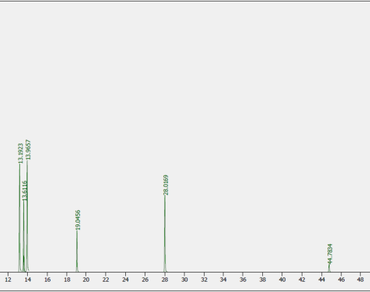
Leaf essential oil of Citrus nobilis cultivated in Dak Lak Province, Vietnam, was investigated to characterize its chemical composition and biological activities using integrated experimental and in silico approaches. The oil was obtained by hydrodistillation and analyzed by gas chromatography-mass spectrometry (GC–MS). The essential oil exhibited a limonene-rich profile, with limonene (56.13%) as the predominant constituent, together with several oxygenated monoterpenes and additional minor constituents. The essential oil exhibited moderate antibacterial activity against Escherichia coli, α-glucosidase inhibitory activity (IC50 = 286.1 µg/mL), and stronger protein denaturation inhibitory activity (IC50 = 154.4 µg/mL). Molecular docking supported the experimental findings, indicating predominantly hydrophobic interactions. ADMET (absorption, distribution, metabolism, excretion, and toxicity) prediction suggested acceptable drug-likeness and low acute toxicity. These results highlight the chemical distinctiveness and biological potential of C. nobilis leaf essential oil from Dak Lak.
References
Bakchi B, Krishna AD, Sreecharan E, Ganesh VBJ, Niharika M, Maharshi S, Puttagunta SB, Sigalapalli DK, Bhandare RR, Shaik AB (2022) An overview on applications of SwissADME web tool in the design and development of anticancer, antitubercular and antimicrobial agents. J Mol Struct 1259:132712. https://doi.org/10.1016/j.molstruc.2022.132712
Banerjee P, Kemmler E, Dunkel M, Preissner R (2024) ProTox-3: a web server for the prediction of acute toxicity. Nucleic Acids Res 52(W1):W513–W520. https://doi.org/10.1093/nar/gkae303
Bassolé IHN, Juliani HR (2012) Essential oils in combination and their antimicrobial properties. Molecules 17(4):3989–4006. https://doi.org/10.3390/molecules17043989
Burt S (2004) Essential oils: their antibacterial properties and potential applications in foods—a review. Int J Food Microbiol 94(3):223–253. https://doi.org/10.1016/j.ijfoodmicro.2004.03.022
Chu TTH, Thai TH, Diep LN, Thanh TX, Thuy DTT, Tra NT, Ha NTT (2018) Chemical composition and biological activities of selected plant-derived essential oils. Acad J Biol 40(3):96–104. https://doi.org/10.15625/2615-9023/v40n3.13151
Duyen LTT, Thang KH, Chau LM, Giang TT, Thanh NN, Dang Long BH, Xuan Phong H (2024) Extraction and evaluation of antimicrobial activities of essential oils from orange peel (Citrus nobilis) grown in Can Tho City. Vietnam Ciência Rural 54(5):e20230240. https://doi.org/10.1590/0103-8478cr20230240
Gobbo-Neto L, Lopes NP (2007) Plant secondary metabolism and its ecological functions. Quim Nova 30:374–381. https://doi.org/10.1590/S0100-40422007000200026
Gorinstein S, Martín-Belloso O, Park YS, Haruenkit R, Lojek A, Číž M, Caspi A, Libman I, Trakhtenberg S (2001) Comparison of some biochemical characteristics of different Citrus fruits. Food Chem 74(3):309–315. https://doi.org/10.1016/S0308-8146(01)00157-1
Gursoy N, Tepe B, Sokmen M (2010) Evaluation of the chemical composition and antioxidant activity of the peel oil of Citrus nobilis. Int J Food Prop 13(5):983–991. https://doi.org/10.1080/10942910902927136
Khan K, Uddin R (2022) Integrated bioinformatics-based subtractive genomics approach to decipher the therapeutic function of hypothetical proteins from Salmonella typhi XDR H-58 strain. Biotechnol Lett 44(2):279–298. https://doi.org/10.1007/s10529-021-03219-6
Kim H, Moon JY, Mosaddik A, Cho SK (2010) Induction of apoptosis in human cervical carcinoma HeLa cells by polymethoxylated flavone-rich Citrus grandis Osbeck leaf extract. Food Chem Toxicol 48(8–9):2435–2442. https://doi.org/10.1016/j.fct.2010.06.006
Kim KN, Ko YJ, Yang HM, Ham YM, Roh SW, Jeon YJ, Ahn G, Kang MC, Yoon WJ, Kim D, Oda T (2013) Anti-inflammatory effect of essential oil and its constituents from fingered citron (Citrus medica L. var. sarcodactylis) through blocking JNK, ERK and NF-κB signaling pathways in LPS-activated RAW 264.7 cells. Food Chem Toxicol 57:126–131. https://doi.org/10.1016/j.fct.2013.03.017
Li S, Pan MH, Lo CY, Tan D, Wang Y, Shahidi F, Ho CT (2009) Chemistry and health effects of polymethoxyflavones and hydroxylated polymethoxyflavones. J Funct Foods 1(1):2–12. https://doi.org/10.1016/j.jff.2008.09.003
Lipinski CA (2000) Drug-like properties and the causes of poor solubility and poor permeability. J Pharmacol Toxicol Methods 44(1):235–249. https://doi.org/10.1016/S1056-8719(00)00107-6
Loi DT (2004) Vietnamese medicinal plants and herbs. Hanoi Medical Publishing House, Hanoi
Mabberley DJ (2004) Citrus (Rutaceae): a review of recent advances in etymology, systematics and medical applications. Blumea 49(2–3):481–498. https://doi.org/10.3767/000651904X484432
Miguel MG (2010) Antioxidant and anti-inflammatory activities of essential oils: a short review. Molecules 15(12):9252–9287. https://doi.org/10.3390/molecules15129252
Nazzaro F, Fratianni F, De Martino L, Coppola R, De Feo V (2013) Effect of essential oils on pathogenic bacteria. Pharmaceuticals 6(12):1451–1474. https://doi.org/10.3390/ph6121451
Ngoc Bich TT (2025) Research on Citrus nobilis peel essential oil and application in making soap. J Sci Technol Univ Danang 23(5A):102–105. https://doi.org/10.31130/ud-jst.2025.076
Okonogi S, Duangrat C, Anuchpreeda S, Tachakittirungrod S, Chowwanapoonpohn S (2007) Comparison of antioxidant capacities and cytotoxicities of certain fruit peels. Food Chem 103(3):839–846. https://doi.org/10.1016/j.foodchem.2006.09.034
Sahingil D (2019) GC/MS-olfactometric characterization of the volatile compounds, determination antimicrobial and antioxidant activity of essential oil from flowers of Calendula officinalis L. J Essent Oil-Bear Plants 22(6):1571–1580. https://doi.org/10.1080/0972060X.2019.1703829
Santana HSR, de Carvalho FO, Silva ER, Santos NGL, Shanmugam S, Santos DN, Wisniewski JO, Cardoso Junior JS, Nunes PS, Araujo AAS, de Albuquerque Junior RLC, dos Santos MRV (2020) Anti-inflammatory activity of limonene in the prevention and control of injuries in the respiratory system: a systematic review. Curr Pharm des 26(18):2182–2191. https://doi.org/10.2174/1381612826666200320130443
Shah M, Parveen Z, Khan MR (2017) Antibacterial activity of plant-derived essential oils. BMC Complement Altern Med 17:526. https://doi.org/10.1186/s12906-017-2042-3
Shen W, Xu Y, Lu YH (2012) Inhibitory effects of Citrus flavonoids on starch digestion and antihyperglycemic effects in HepG2 cells. J Agric Food Chem 60(38):9609–9619. https://doi.org/10.1021/jf3032556
Sihvonen M, Järvenpää E, Hietaniemi V, Huopalahti R (1999) Advances in supercritical carbon dioxide technology. Food Sci Technol 10(6–7):217–222. https://doi.org/10.1016/S0924-2244(99)00049-7
Soković M, Glamočlija J, Marin PD, Brkić D, van Griensven LJL (2010) Antibacterial effects of the essential oils of commonly consumed medicinal herbs using an in vitro model. Molecules 15(11):7532–7546. https://doi.org/10.3390/molecules15117532
Thuy LT, Trinh VNT, Thinh VP (2023) Chemical composition and biological activities of selected plant-derived essential oils. TNU J Sci Technol 228:445–452. https://doi.org/10.34238/tnu-jst.7898
Trombetta D, Castelli F, Sarpietro MG, Venuti V, Cristani M, Daniele C, Saija A, Mazzanti G, Bisignano G (2005) Mechanisms of antibacterial action of three monoterpenes. Antimicrob Agents Chemother 49(6):2474–2478. https://doi.org/10.1128/AAC.49.6.2474-2478.2005
Trott O, Olson AJ (2010) AutoDock Vina: improving the speed and accuracy of docking with a new scoring function, efficient optimization, and multithreading. J Comput Chem 31(2):455–461. https://doi.org/10.1002/jcc.21334
Tundis R, Loizzo MR, Menichini F (2010) Natural products as α-amylase and α-glucosidase inhibitors and their hypoglycaemic potential in the treatment of diabetes: an update. Mini Rev Med Chem 10(4):315–331. https://doi.org/10.2174/138955710791331007
Vekiari SA, Protopapadakis EE, Gianovits-Argyriadou N (2004) Composition of the leaf and peel oils of Citrus medica L. ‘Diamante’ from Crete. J Essent Oil Res 16(6):528–530. https://doi.org/10.1080/10412905.2004.9698789
Author Information
Tay Nguyen University, Ea Kao, Vietnam