Vegetos

(An International Journal of Plant Research & Biotechnology)
(eISSN: 2229-4473)
Phytochemical analysis, antihemolytic, antibacterial and ADMET properties of Teucrium capitatum L. and Thymus algeriensis Boiss. & Reut. secondary metabolites: in vitro and in silico study
*Article not assigned to an issue yet
Research Article | Published: 01 November, 2025
First Page: 0
Last Page: 0
Views: 466
Keywords: Antihemolytic activity, Antibacterial activity, Molecular docking, ADMET, Secondary metabolite
Abstract
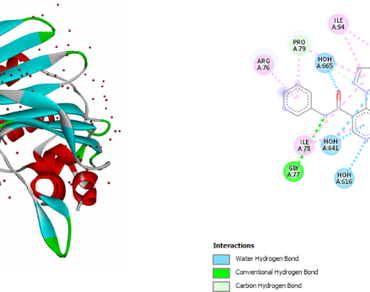
This study investigated the in vitro and in silico antihemolytic and antibacterial activities of Teucrium capitatum L. and Thymus algeriensis Boiss. & Reut. ethanolic extracts (TCEE & TAEE) and essential oils (TCEO & TAEO). GC–MS analysis revealed germacrene D (28.1%), β-pinene (12.6%) and bicyclogermacrene (10.9%) as the TCEO main components, while carvacrol (44.1%), p-cymene (19.6%) and γ-terpinene (14.9%) are for TAEO. 4-hydroxycinnamic and rosmarinic acids were respectively identified by HPLC–DAD-UV as TCEE and TAEE predominant compounds. The results showed significant activities of TAEE against AAPH- and H₂O₂-induced hemolysis higher than that of TCEE (IC50:171.32 and 302.62 vs 315.95 and 542.55 µg/mL). These activities were respectively equivalent to those of quercetin (183.72 µg/mL) and ascorbic acid (290.70 µg/mL). The antibacterial activity results demonstrated excellent efficacy of both EOs against Gram-positive, but a good activity against Gram-negative only for TAEO. EEs were inactive against all bacteria. Molecular docking predicted high binding affinities with DNA-gyrase and tyrosyl-tRNA-synthetase (− 4.69 to − 7.96 kcal/mol). Moreover, ADMET studies (absorption, distribution, metabolism, elimination, and toxicity) showed good pharmacokinetic properties with no inhibition of cytochromes P450 except for CYP1A2 by carvacrol, p-cymene, and bicyclogermacrene. Furthermore, no mutagenicity or organ toxicity was predicted. However, carvacrol may have hepatotoxic properties. Thus, these plants may serve as a valuable source for pharmaceutical applications.
References
Abishad P, Niveditha P, Unni V, Vergis J, Kurkure NV, Chaudhari S, Rawool DB, Barbuddhe SB (2021) In silico molecular docking and in vitro antimicrobial efficacy of phytochemicals against multi-drug-resistant enteroaggregative Escherichia coli and non-typhoidal Salmonella spp. Gut Pathog 13:46. https://doi.org/10.1186/s13099-021-00443-3
Adams RP (2007). Identification of essential oil components by gas chromatography/mass spectrometry. 4th edn. (Allured Publ. Corp., Carol Stream), 804p.
Afsar T, Razak S, Khan MR, Mawash S, Almajwal A, Shabir M, Ul Haq I (2016) Evaluation of antioxidant, anti-hemolytic and anticancer activity of various solvent extracts of Acacia hydaspica R. Parker aerial parts. BMC Complement Altern Med 16:258. https://doi.org/10.1186/s12906-016-1240-8
Ait-Ouazzou A, Loràn S, Bakkali M, Laglaoui A, Rota C, Herrera A, Pagàna R, Conchelloa P (2011) Chemical composition and antimicrobial activity of essential oils of Thymus algeriensis, Eucalyptus globulus and Rosmarinus officinalis from Morocco. J Sci Food Agric 91:2643–2651. https://doi.org/10.1002/jsfa.4505
Al-Jumaili MHA, Siddique F, Abul Qaise F, Hashemf HE, Chtitag S, Ranid A, Uzaird M, Almzaien KA (2021) Analysis and prediction pathways of natural products and their cytotoxicity against HeLa cell line protein using docking, molecular dynamics and ADMET. J Biomol Struct Dyn 41(3):765–777
An F, Wang S, Yuan D, Gong Y, Wang S (2016) Attenuation of oxidative stress of erythrocytes by plant-derived flavonoids. Orientin and luteolin. Evidence-Based Complementary Alternative Med. https://doi.org/10.1155/2016/3401269
Antunes T, Sevinate-Pinto I, Barroso JG, Cavaleiro C, Salgueiro LR (2004) Micromorphology of trichomes and composition of essential oil of Teucrium capitatum. Flavour Fragr J 19:336–340. https://doi.org/10.1002/ffj.1310
Babushok VI, Linstrom PJ, Zenkevich IG (2011) Retention indices for frequently reported compounds of plant essential oils. J Phys Chem Ref Data 40:43101–43147. https://doi.org/10.1063/1.3653552
Ben Arfa A, Combes S, Preziosi-Belloy L, Gontard N, Chalier P (2006) Antimicrobial activity of carvacrol related to its chemical structure. Lett Appl Microbiol 43:149–154. https://doi.org/10.1111/j.1472-765x.2006.01938.x
Bendjabeur S, Bensouici C, Hazzit M (2023) Study of chemical composition, anticholinesterase and antioxidant properties of essential oil and ethanolic extract from Thymus numidicus Poiret, an Algerian endemic medicinal plant. Pharm Chem J 57:858–868. https://doi.org/10.1007/s11094-023-02960-8
Bendjabeur S, Hazzit M (2024) Antioxidant and anticholinesterase activities, molecular docking, ADMET and drug-likeness studies of essential oil and ethanolic extract from Ammodaucus leucotrichus Coss. & Dur. fruits. J Essent Oil-Bear Plants 27(6):1492–1503. https://doi.org/10.1080/0972060X.2024.2423774
Ben El Hadj Ali I, Chaouachi M, Bahri R, Chaieb I, Boussaïd M, Harzallah-Skhiri F (2015) Chemical composition and antioxidant, antibacterial, allelopathic and insecticidal activities of essential oil of Thymus algeriensis Boiss. et Reut. Ind Crop Prod 77:631–639. https://doi.org/10.1016/j.indcrop.2015.09.046
Boutaoui N, Zaiter L, Benayache F, Benayache S, Carradori S, Cesa S, Giusti AM, Campestre C, Menghini L, Innosa D, Locatelli M (2018) Qualitative and quantitative phytochemical analysis of different extracts from Thymus algeriensis aerial parts. Molecules 23(2):463. https://doi.org/10.3390/molecules23020463
Burt SA, van der Zee R, Koets AP, de Graaff AM, Van Knapen F, Gaastra W, Haagsman HP, Veldhuizen EJA (2007) Carvacrol induces heat shock protein and inhibits synthesis of flagellin in Escherichia coli O157:H7. Appl Environ Microbiol 73:4484–4490. https://doi.org/10.1128/AEM.00340-07
Chabane S, Boudjelal A, Napoli E, Benkhaled A, Ruberto G (2020) Phytochemical composition, antioxidant and wound healing activities of Teucrium polium subsp. capitatum (L.) Briq. essential oil. J Essent Oil Res 33(2):143–151. https://doi.org/10.1080/10412905.2020.1842260
Chandra H, Bishnoi P, Yadav A, Patni B, Mishra AP, Nautiyal AR (2017) Antimicrobial resistance and the alternative resources with special emphasis on plant-based antimicrobials-a review. Plants 6(2):16. https://doi.org/10.3390/plants6020016
Chaudhuri S, Banerjee A, Basu K, Sengupta B, Sengupta PK (2007) Interaction of flavonoids with red blood cell membrane lipids and proteins: antioxidant and antihemolytic effects. Int J Biol Macromol 41:42–48. https://doi.org/10.1016/j.ijbiomac.2006.12.003
CLSI (Clinical and Laboratory Standards Institute) (2012). Performance standards for antimicrobial disk susceptibility tests, Approved Standard, 7th ed., CLSI document M02-A11, Clinical and Laboratory Standards Institute, 950 West Valley Road, Suite 2500, Wayne, Pennsylvania 19087, USA.
Cozzani S, Muselli A, Desjobert J-M, Bernardini A-F, Tomi F, Casanova J (2005) Chemical composition of essential oil of Teucrium polium subsp. capitatum (L.) from Corsica. Flav Fragr J 20:436–441. https://doi.org/10.1002/ffj.1463
Cristani M, D’Arrigo M, Mandalari G, Castelli F, Sarpietro MG, Micieli D, Venuti V, Bisignano G, Saija A, Trombetta D (2007) Interaction of four monoterpenes contained in essential oils with model membranes: implications for their antibacterial activity. J Agric Food Chem 55:6300–6308. https://doi.org/10.1021/jf070094x
Daina A, Michielin O, Zoete O (2017) Swissadme: a free web tool to evaluate pharmacokinetics, drug-likeness and medicinal chemistry friendliness of small molecules. Sci Rep 7:42717. https://doi.org/10.1038/srep42717
De Martino L, Formisano C, Mancini E, De Feo V, Piozzi F, Rigano D, Senatore F (2010) Chemical composition and phytotoxic effects of essential oils from four Teucrium species. Nat Prod Commun 5:1969–1976. https://doi.org/10.1177/1934578X1000501230
Djabou N, Allali H, Battesti M-J, Tabti B, Costa J, Muselli A, Varesi L (2012) Chemical and genetic differentiation of two Mediterranean subspecies of Teucrium scorodonia L. Phytochem 74:123–132. https://doi.org/10.1016/j.phytochem.2011.09.002
Djeridane A, Yousfi M, Nadjemi B, Vidal N, Lesgards JF, Stocker P (2007) Screening of some Algerian medicinal plants for the phenolic compounds and their antioxidant activity. Eur Food Res Technol 224:801–809. https://doi.org/10.1007/s00217-006-0361-6
Dob T, Dahmane D, Benabdelkader T, Chelghoum C (2006) Studies on the essential oil composition and antimicrobial activity of Thymus algeriensis Boiss. et Reut. Int J Aromather 16(2):95–100. https://doi.org/10.1016/j.ijat.2006.04.003
En-nahli F, Hajji H, Ouabane M, Ajana MA, Sekatte C, Lakhlifi T, Bouachrine M (2023) Admet profiling and molecular docking of pyrazole and pyrazolines derivatives as antimicrobial agents. Arab J Chem 16:105262
European Pharmacopeia (2007). European, Directorate for Quality of Medicines, Council of Europe, 6th edn. Strasbourg.
Ferrali M, Signorini C, Caciotti B, Sugherini L, Ciccoli L, Giachetti D, Comporti M (1997) Protection against oxidative damage of erythrocyte membrane by the flavonoid quercetin and its relation to iron chelating activity. FEBS Lett 416:123–129. https://doi.org/10.1016/s0014-5793(97)01182-4
Flores-Holguín N, Frau J, Glossman-Mitnik D (2021) Computational pharmacokinetics report, ADMET study and conceptual DFT-based estimation of the chemical reactivity properties of marine cyclopeptides. ChemistryOpen 10:1142–1149. https://doi.org/10.1002/open.202100178
Forli S, Huey R, Pique ME, Sanner MF, Goodsell DS, Olson AJ (2016) Computational protein–ligand docking and virtual drug screening with the autodock suite. Nat Protoc 11(5):905–919. https://doi.org/10.1038/nprot.2016.051
Frezza C, Bozzatoa G, Sciubbaa F, Serafinic I, Franceschin M, Curini R, Cianfaglioned K, Vendittic A, Bianco A, Serafinia M, Foddai S (2023) Phytochemical analysis on the aerial parts of Teucrium capitatum L. with aspects of chemosystematics and ethnobotany. Nat Prod Res 37(14):2398–2407. https://doi.org/10.1080/14786419.2022.2081967
Frieri M, Kumar K, Boutin A (2017) Antibiotic resistance. J Infect Public Health 10(4):369–378. https://doi.org/10.1016/j.jiph.2016.08.007
Goulas V, Gomez-Caravaca AM, Exarchou V, Gerothanassis IP, Segura-Carretero A, Gutiérrez AF (2012) Exploring the antioxidant potential of Teucrium polium extracts by HPLC-SPE-NMR and on-line radical-scavenging activity detection. LWT-Food Sci Technol 46:104–109. https://doi.org/10.1016/j.lwt.2011.10.019
Hacker K, Maas R, Kornhuber J, Fromm MF, Zolk O (2015) Substrate-dependent inhibition of the human organic cation transporter OCT2: a comparison of metformin with experimental substrates. PLoS ONE 10(9):e0136451. https://doi.org/10.1371/journal.pone.0136451
Heffaf F, Douar-Latreche S, Kerbouche L, Hazzit M, Mouhouche F (2023) Chemical constituents, antioxidant, antimicrobial and insecticidal activities of the essential oils extracted from Thymus guyonii de Noé and Thymus algeriensis Boiss. et Reut. J Essent Oil-Bear Plants 2(1):61–78. https://doi.org/10.1080/0972060X.2023.2182705
Hubatsch I, Ragnarsson EG, Artursson P (2007) Determination of drug permeability and prediction of drug absorption in Caco-2 monolayers. Nat Protoc 2(9):2111–2119. https://doi.org/10.1038/nprot.2007.303
Hwang J, Youn K, Ji Y, Lee S, Lim G, Lee J, Ho C-T, Leem S-H, Jun M (2020) Biological and computational studies for dual cholinesterases inhibitory effect of zerumbone. Nutrients 12(5):1215. https://doi.org/10.3390/nu12051215
Jaouadi R, Silva AMS, Boussaid M, Yahia IBH, Cardoso SM, Zaouali Y (2019) Differentiation of phenolic composition among Tunisian Thymus algeriensis Boiss. et Reut. (Lamiaceae) populations: correlation to bioactive activities. Antioxidants 8:515. https://doi.org/10.3390/antiox8110515
Jesudason T (2024) WHO publishes updated list of bacterial priority pathogens. Lancet Microbe 5(9):100940. https://doi.org/10.1016/j.lanmic.2024.07.003
Kato H (2020) Computational prediction of cytochrome P450 inhibition and induction. Drug Metab Pharmacokinet 35(1):30–44. https://doi.org/10.1016/j.dmpk.2019.11.006
Kerbouche L, Hazzit M, Ferhat M-A, Baaliouamer A, Miguel MG (2015) Biological activities of essential oils and ethanol extracts of Teucrium polium subsp. capitatum (L.) Briq. and Origanum floribundum Munby. J Essent Oil-Bear Plants 18(5):1197–1208. https://doi.org/10.1080/0972060X.2014.935065
Khan SA, Wu Y, Li AS-M, Fu X-Q, Yu Z-L (2022) Network pharmacology and molecular docking-based prediction of active compounds and mechanisms of action of Cnidii Fructus in treating atopic dermatitis. BMC Complement Med Ther 22:275. https://doi.org/10.1186/s12906-022-03734-7
Khani A, Heydarian M (2014) Fumigant and repellent properties of sesquiterpene-rich essential oil from Teucrium polium subsp. capitatum (L.). Asian Pac J Trop Med 7(12):956–961. https://doi.org/10.1016/S1995-7645(14)60169-3
Klein G, Rüben C, Upmann M (2013) Antimicrobial activity of essential oil components against potential food spoilage microorganisms. Curr Microbiol 67:200–208. https://doi.org/10.1007/s00284-013-0354-1
Ko FN, Hsiao G, Kuo YH (1997) Protection of oxidative hemolysis by demethyldiisoeugenol in normal and beta-thalassemic red blood cells. Free Radic Biol Med 22:215–222. https://doi.org/10.1016/s0891-5849(96)00295-x
Lapointe J (2013) Mechanism and evolution of multidomain aminoacyl-tRNA synthetases revealed by their inhibition by analogues of a reaction intermediate, and by properties of truncated forms. J Biomed Sci Eng 6:943–946. https://doi.org/10.4236/jbise.2013.610115
Li HY, Yang WQ, Zhou XZ, Shao F, Shen T, Guan HY, Zheng J, Zhang LM (2022) Antibacterial and antifungal sesquiterpenoids: chemistry, resource, and activity. Biomolecules 12(9):1271. https://doi.org/10.3390/biom12091271
Magalhães AS, Silva BM, Pereira JA, Andrade PB, Valentao P, Carvalho M (2009) Protective effect of quince (Cydonia oblonga Miller) fruit against oxidative hemolysis of human erythrocytes. Food Chem Toxicol 47:1372–1377. https://doi.org/10.1016/j.fct.2009.03.017
Menchini F, Conforti F, Rigano D, Formisano C, Piozzi F, Senatore F (2009) Phytochemical composition, anti-inflammatory and antitumour activities of four Teucrium essential oils from Greece. Food Chem 115:679–686. https://doi.org/10.1016/j.foodchem.2008.12.067
Michalczyk E, Pabiś M, Heddle J, Ghilarov D (2024) Structure of Escherichia coli DNA gyrase with chirally wrapped DNA supports ratchet-and-pawl mechanism for an ATP-powered supercoiling motor. bioRxiv 121(49):e2407398121. https://doi.org/10.1101/2024.04.12.589215
Mitić V, Jovanović O, Stankov-Jovanović V, Zlatkovic B, Stojanovic G (2012) Analysis of the essential oil of Teucrium polium ssp. capitatum from the Balkan Peninsula. Nat Prod Commun. https://doi.org/10.1177/1934578X1200700129
Moiketsi BN, Makale KPP, Rantong G, Rahube TO, Makhzoum A (2023) Potential of selected African medicinal plants as alternative therapeutics against multi-drug-resistant bacteria. Biomedicines 11(10):2605. https://doi.org/10.3390/biomedicines11102605
NCCLS (National Committee for Clinical Laboratory Standards) (2000). Performance standards for antimicrobial disc susceptibility tests. Approved Standard, M2-A7.
Niu Z, Xiao X, Wu W, Cai Q, Jiang Y, Jin W, Wang M, Yang G, Kong L, Jin X, Yang G, Chen H (2024) Pharmabench: enhancing admet benchmarks with large language models. Sci Data 11:985. https://doi.org/10.1038/s41597-024-03793-0
Orrico F, Laurance S, Lopez AC, Lefevre SD, Thomson L, Möller M, Ostuni MA (2023) Oxidative stress in healthy and pathological red blood cells. Biomolecules 13:1262. https://doi.org/10.3390/biom13081262
Pacifico S, D’Abrosca B, Scognamiglio M, D’Angelo G, Gallicchio M, Galasso S, Monaco P, Fiorentino A (2012) NMR-based metabolic profiling and in vitro antioxidant and hepatotoxic assessment of partially purified fractions from Golden germander (Teucrium polium L.) methanolic extract. Food Chem 135:1957–1967. https://doi.org/10.1016/j.foodchem.2012.06.071
Pires DEV, Blundell TL, Ascher DB (2015) PkCSM: predicting small-molecule pharmacokinetic and toxicity properties using graph-based signatures. J Med Chem 58(9):4066–4072
Pourkhosravani E, Nayeri FD, Bazargani MM (2021) Decoding antibacterial and antibiofilm properties of cinnamon and cardamom essential oils: a combined molecular docking and experimental study. AMB Expr 11:143. https://doi.org/10.1186/s13568-021-01305-6
Ramchoun M, Sellam K, Harnafi H, Alem C, Benlyas M, Khallouki F, Amrani S (2015) Investigation of antioxidant and antihemolytic properties of Thymus satureioides collected from Tafilalet Region, south-east of Morocco. Asian Pac J Trop Biomed 5(2):93–100. https://doi.org/10.1016/S2221-1691(15)30151-9
Righi N, Boumerfeg S, Fernandes PAR, Deghima A, Baali F, Coelho E, Cardoso SM, Coimbra MA, Baghiani A (2020) Thymus algeriensis Bioss & Reut: relationship of phenolic compounds composition with in vitro/in vivo antioxidant and antibacterial activity. Food Res Int 136:109500. https://doi.org/10.1016/j.foodres.2020.109500
Sharififar F, Dehghn-Nudeh G, Mirtajaldini M (2009) Major flavonoids with antioxidant activity from Teucrium polium L. Food Chem 112:885–888. https://doi.org/10.1016/j.foodchem.2008.06.064
Sobeh M, Rezq S, Cheurfa M, Abdelfattah MAO, Rashied RMH, El-Shazly AM, Yasri A, Wink M, Mahmoud MF (2020) Thymus algeriensis and Thymus fontanesii: chemical composition, in vivo antiinflammatory, pain killing and antipyretic activities: a comprehensive comparison. Biomolecules 10(4):599. https://doi.org/10.3390/biom10040599
Soto SM (2023) Antibiotic resistance in bacterial pathogens. Antibiotics 12:451. https://doi.org/10.3390/antibiotics12030451
Sun J, Lv P-C, Zhu H-L (2017) Tyrosyl-tRNA synthetase inhibitors: a patent review. Expert Opin Ther Pat 27:557–564. https://doi.org/10.1080/13543776.2017.1273350
Tzima K, Brunton NP, Rai DK (2018) Qualitative and quantitative analysis of polyphenols in Lamiaceae plants–a review. Plants 7:25. https://doi.org/10.3390/plants7020025
Unsal V, Oner E, Yıldız R, Mert BD (2025) Comparison of new second generation H1 receptor blockers with some molecules; a study involving DFT, molecular docking, ADMET, biological target and activity. BMC Chem 19:4. https://doi.org/10.1186/s13065-024-01371-4
Urban-Chmiel R, Marek A, Stępień-Pyśniak D, Wieczorek K, Dec M, Nowaczek A, Osek J (2022) Antibiotic resistance in bacteria—a review. Antibiotics 11(8):1079. https://doi.org/10.3390/antibiotics11081079
Vanden Broeck A, Lotz C, Ortiz J, Lamour V (2019) Cryo-EM structure of the complete E. coli DNA gyrase nucleoprotein complex. Nat Commun 10:4935. https://doi.org/10.1038/s41467-019-12914-y
Xu J, Zhou F, Ji BP, Pei RS, Xu N (2008) The antibacterial mechanism of carvacrol and thymol against Escherichia coli. Lett Appl Microbiol 47:174–179. https://doi.org/10.1111/j.1472-765X.2008.02407.x
Xu Y, Liu X, Li S, Zhou N, Gong L, Luo C, Luo X, Zheng M, Jiang H, Chen K (2013) Combinatorial pharmacophore modeling of organic cation transporter 2 (OCT2) inhibitors: insights into multiple inhibitory mechanisms. Mol Pharmaceutics. https://doi.org/10.1021/mp400423g
Yuan C, Hao X (2023) Antibacterial mechanism of action and in silico molecular docking studies of Cupressus funebris essential oil against drug resistant bacterial strains. Heliyon 9:e18742. https://doi.org/10.1016/j.heliyon.2023.e18742
Ziani BEC, Heleno SA, Bachari K, Dias MI, Alves MJ, Barros L, Ferreira CFRI (2018) Phenolic compounds characterization by LC-DAD- ESI/MSn and bioactive properties of Thymus algeriensis Boiss. & Reut. and Ephedra alata Decne. Food Res Int 16:312–319. https://doi.org/10.1016/j.foodres.2018.08.041
Zouari N, Fakhfakh N, Zouarid S, Bougatef A, Karraya A, Neffati M, Ayadi MA (2011) Chemical composition, angiotensin I-converting enzyme inhibitory, antioxidant and antimicrobial activities of essential oil of Tunisian Thymus algeriensis Boiss. et Reut. (Lamiaceae). Food Bioprod Process 89(4):257–265. https://doi.org/10.1016/j.fbp.2010.11.006
de Freitas MV, Netto RM, da Costa Huss JC, de Souza TM, Costa JO, Firmino CB, Penha-Silva N (2008). Influence of aqueous crude extracts of medicinal plants on the osmotic stability of human erythrocytes. Toxicol In Vitro 22:219–224. https://doi.org/10.1016/j.tiv.2007.07.010
Author Information
Department of Nature and Life Sciences, Faculty of Sciences, University of Algiers 1 Benyoucef Benkhedda, Algiers, Algeria