Vegetos

(An International Journal of Plant Research & Biotechnology)
(eISSN: 2229-4473)
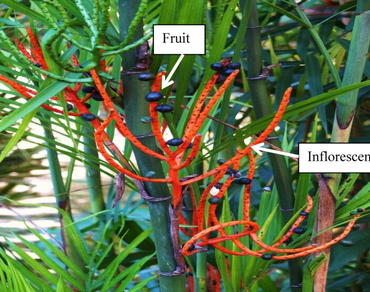
Unlocking the anticancer potential of wildly growing Chamaedorea seifrizii fruit extracts: insights from chemical profiling, in-silico studies, pharmacokinetics, wet lab validation
*Article not assigned to an issue yet
Sharma Arun Dev, Chhabra Ravindresh, Kaur Inderjeet, Yadav Seema, Chauhan Amrita
Research Article | Published: 09 October, 2025
First Page: 0
Last Page: 0
Views: 476
Keywords: Cancer, n Chamaedorea seifriziin , Aroma profiling, Fruits
Abstract
Chamaedorea seifrizii is a bamboo plant that is mainly used for its air-purifying properties and ornamental value. However, there are not many studies on this plant on its phytochemical constitutes and anti-cancer potential, hence necessitates the need for further research. Thus the objective of this study was chemical profiling, phytochemical analysis followed by evaluation of anti-cancer potential of methanol extracts of fruits of Chamaedorea seifrizii by in-vitro assay followed by in-silico analysis. The phytochemical extraction was conducted out by conventional shaking process (CSP) using methanol/water as a solvent. Anticancer studies were conducted using HELA cancer cell lines using MTT assay. In- silico analysis coupled with molecular dynamics (MD) simulation was also conducted. Bioactive compounds in fruit extracts were studied using a gas chromatography-flame ionization detector (GC-FID). ADMET study was conducted to see drug- likeness nature of major compound. GC-FID revealed maximum 13 constituents in methanol fractions with osthole as predominant phenolic component (27.49%). MTT assay revealed that fruit extract was able to inhibit growth of HELA cells as cell viability estimated was 35%. In-silico analysis validated the docking of major phytocomponent osthole to cancer associated enzymes with binding energy score ranged from − 6.4 to − 9.5 kcal/mol. Post-MD analysis of best docked structure further validated the stability of docked complexes as evident from RMSD and RG values. In-silico pharmacokinetics and drug likeness studies of osthole revealed it as orally good drug using ADMET server. To the best of our knowledge, this is the first report on the bioactive compounds present in Chamaedorea seifrizii extracts that exhibit anticancer and pharmacological qualities but require additional confirmation through in vivo models and clinical studies.
References
Agostini-costa TDS (2018) Bioactive compounds and health benefits of some palm species traditionally used in Africa and the Americas-a review. J Ethnopharmacol 224:202–229 https://doi.org/10.1016/j.jep.2018.05.035, PubMed: 29842962
Amrita C, Sharma AD, Kaur I et al (2025) Unraveling the therapeutic potential of latex-derived phytocomponents from Calotropis gigantea and Euphorbia Hirta as anti-diabetic agents targeting α-amylase: chemical profiling, in-silico docking, molecular simulation dynamics, fluorescent quenching and wet lab validation. Chem Pap. https://doi.org/10.1007/s11696-025-04011-w
Jiménez A, Meckes M, Alvarez V, Torres J, Parra R (2005) Secondary metabolites from Chamaedora tepejilote (palmae) are active against mycobacterium tuberculosis. Phytother Res 19(4):320–322
Lv X, Yang H, Zhong H, He L, Wang L (2022) Osthole exhibits an antitumor effect in retinoblastoma through inhibiting the pi3k/akt/mtor pathway via regulating the hsa_circ_0007534/mir-214-3p axis. Pharma Biology 60:417–426. https://doi.org/10.1080/13880209.2022.2032206, PubMed: 35175172
Moar K, Yadav S, Pant A, Deepika, Maurya PK (2024) Anti-tumor effects of polyphenols via targeting cancer driving signaling pathways: a review. Indian J Clin Biochem 39:470–488. https://doi.org/10.1007/s12291-024-01222-y, PubMed: 39346722
Rincón-Cervera MÁ, Lahlou A, Chileh-Chelh T, Lyashenko S, López-Ruiz R, Guil-Guerrero JL (2023) Arecaceae seeds constitute a healthy source of fatty acids and phenolic compounds. Plants 12:226. https://doi.org/10.3390/plants12020226, PubMed: 36678939
Sarikurkcu C, Erdoğmuş SF, Yazar T (2024) Phytochemical analysis and in vitro anti-inflammatory, anticancer activities of marrubium lutescens on melanoma cancer cell line and molecular docking studies. J Herb Med 46:100907. https://doi.org/10.1016/j.hermed.2024.100907
Susanti Y, Supiandi MI, Julung H, Zubaidah S, Mahanal S (2023) Lexicon of medicinal plants in traditional medicine in the Dayak Tamambaloh tribe (West Kalimantan, Indonesia): an ethnolinguistic approach. Biodiversitas J Biol Divers 24. https://doi.org/10.13057/biodiv/d240146
Yang S, Dai W, Wang J, Zhang X, Zheng Y, Bi S, Pang L, Ren T, Yang Y, Sun Y, Zheng Z, Wu S, Kong J (2022) Osthole: an up-to-date review of its anticancer potential and mechanisms of action. Front Pharmacol 13:945627. https://doi.org/10.3389/fphar.2022.945627
Author Information
Department of Biotechnology, Lyallpur Khalsa College, Jalandhar, India