Vegetos

(An International Journal of Plant Research & Biotechnology)
(eISSN: 2229-4473)
Synthesis, characterization of chitosan alginate nanoparticles and its antifungal potential against anthracnose pathogen of chilli plants
*Article not assigned to an issue yet
Research Article | Published: 02 April, 2026
First Page: 0
Last Page: 0
Views: 613
Keywords: Alginate, Anthracnose, Chitosan, Chilli, Nanotechnology
Abstract
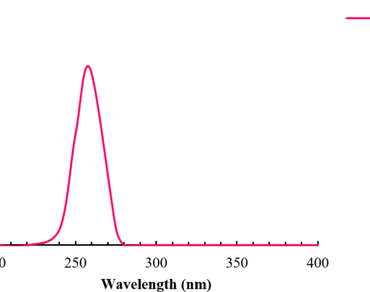
Over-putting tons of toxicants and synthetic nutrients in agriculture has occasioned ecosystem contamination, the inception of resistance to agricultural pests and phytopathogens, and the collapse of diversity. Considering their size qualities nanoscale materials particularly biopolymer-based nanoparticles are gaining more attention because of their stability, safeness and alleviation of preparation. Colletotrichum capsici is a destructive pathogen in chilli and cause severe losses worldwide. The aim of the present study was to prepare chitosan alginate nanoparticles (CSAlnps) to use as an eco-friendly compound for the control of phytopathogens of chilli. CSAlnps were prepared at room temperature through the ionic gelation method. The particle size, structure of the nanoparticles, PDI, and surface potential of the particles were determined by analysing the UV–Vis, DLS, FTIR, SEM, and TEM. The CSAlnps showed in vitro antifungal activity against C. capsici. The CSAlnps application on chilli seeds stimulated the germination of seeds, seedling vigour index and other morphological-related growth parameters at 0.1% of concentration compared to the control. The perceptiveness of this study is that the CSAlnps could be used as an antifungal suppressant for anthracnose in chilli plants.
References
Ali A, Bordoh PK, Singh A, Siddiqui Y, Droby S (2016) Post-harvest development of anthracnose in pepper (Capsicum spp): Etiology and management strategies. Crop Prot 90:132–141
Brunel F, El Gueddari NE, Moerschbacher BM (2013) Complexation of copper (II) with chitosan nanogels: toward control of microbial growth. Carbohyd polym 92:1348–1356
Chaurasiya U, Solanki MK, Patel S (2023) Medicinal plant extracts enhanced the shelf life of chilli fruits against the anthracnose disease through defense modulation. Biochem Syst Ecol 107:104604
Chouhan D, Mandal P (2021) Applications of chitosan and chitosan based metallic nanoparticles in agrosciences-A review. Int J Biol Macromol 166:1554–1569
Costa JR, Silva NC, Sarmento B, Pintado M (2015) Potential chitosan-coated alginate nanoparticles for ocular delivery of daptomycin. Eur J Clin Microbiol Infect Dis 34:1255–1262
Dai T, Tanaka M, Huang YY, Hamblin MR (2011) Chitosan preparations for wounds and burns: antimicrobial and wound-healing effects. Expert Rev anti-infective therapy 9:857–879
Divya K, Vijayan S, George TK, Jisha MS (2017) Antimicrobial properties of chitosan nanoparticles: Mode of action and factors affecting activity. Fibers polym 18:221–230
Fan L, Jiang L, Xu Y, Zhou Y, Shen Y, Xie W, Zhou J (2011) Synthesis and anticoagulant activity of sodium alginate sulfates. Carbohyd Polym 83:1797–1803
Fatima SN, Rizvi ZF, Hyder S, Gondal AS, Latif M, Nazir HM, Habib FE (2023) Biochemical profiling of selected plant extracts and their antifungal activity in comparison with fungicides against Colletotrichum capsici L. causing anthracnose of Chilli. Plant Stress 10:100287
Gaihre B, Khil MS, Lee DR, Kim HY (2009) Gelatin-coated magnetic iron oxide nanoparticles as carrier system: drug loading and in vitro drug release study. Int J Pharm 365:180–189
García M, Forbe T, Gonzalez E (2010) Potential applications of nanotechnology in the agro-food sector. Food Sci Technol 30:573–581
Garg R, Kumar S, Kumar R, Loganathan M, Saha S, Kumar S, Roy BK (2013) Novel source of resistance and differential reactions on chilli fruit infected by Colletotrichum capsici. Australas Plant Pathol 42:227–233
Ghazali M, Nawawi M, Huang RY (1997) Prevaporation dehydration of isopropanol with chitosan membranes. J Membr Sci 124:53–62
Ghormade V, Deshpande MV, Paknikar KM (2011) Perspectives for nano-biotechnology enabled protection and nutrition of plants. Biotechnol Adv 29:792–803
Gowtham HG, Murali M, Singh SB, Lakshmeesha TR, Murthy KN, Amruthesh KN, Niranjana SR (2018) Plant growth promoting rhizobacteria-Bacillus amyloliquefaciens improves plant growth and induces resistance in chilli against anthracnose disease. Biol Control 126:209–217
Jan A, Boulaaras S, Abdullah FA, Jan R (2023) Dynamical analysis, infections in plants, and preventive policies utilizing the theory of fractional calculus. Eur Phys J Special Top 232:2497–2512
Kashyap PL, Xiang X, Heiden P (2015) Chitosan nanoparticle based delivery systems for sustainable agriculture. Int J Biol Macromol 77:36–51
Katiyar D, Hemantaranjan A, Singh B (2015) Chitosan as a promising natural compound to enhance potential physiological responses in plant: a review. Indian J Plant Physiol 20:1–9
Kheiri A, Jorf SM, Malihipour A, Saremi H, Nikkhah M (2016) Application of chitosan and chitosan nanoparticles for the control of Fusarium head blight of wheat (Fusarium graminearum) in vitro and greenhouse. Int J Biol Macromol 93:1261–1272
Kumar S, Chauhan N, Gopal M, Kumar R, Dilbaghi N (2015) Development and evaluation of alginate–chitosan nanocapsules for controlled release of acetamiprid. Int J Biol Macromol 81:631–637
Lee BR, Ko HK, Ryu JH, Ahn KY, Lee YH, Oh SJ, Lee J (2016) Engineered human ferritin nanoparticles for direct delivery of tumor antigens to lymph node and cancer immunotherapy. Sci Rep 6:35182
Mandal K, Singh R, Sharma S, Kataria D (2023) Dissipation and kinetic studies of fluopyram and trifloxystrobin in chilli. J Food Composition Anal 115:105008
Muthukumar A, Eswaran A, Nakkeeran S, Sangeetha G (2010) Efficacy of plant extracts and biocontrol agents against Pythium aphanidermatum inciting chilli damping-off. Crop Prot 29:1483–1488
Naik BN, Malmathanraj R, Palanisamy P (2022) Detection and classification of chilli leaf disease using a squeeze-and-excitation-based CNN model. Ecol Inf 69:101663
Naziya B, Murali M, Amruthesh KN (2019) Plant growth-promoting fungi (PGPF) instigate plant growth and induce disease resistance in Capsicum annuum L. upon infection with Colletotrichum capsici (Syd.) Butler & Bisby. Biomolecules 10: 41
Pereira ADES, Oliveira HC, Fraceto LF (2019) Polymeric nanoparticles as an alternative for application of gibberellic acid in sustainable agriculture: a field study. Sci Rep 9:7135
Saharan V, Mehrotra A, Khatik R, Rawal P, Sharma SS, Pal A (2013) Synthesis of chitosan based nanoparticles and their in vitro evaluation against phytopathogenic fungi. Int J Biol Macromol 62:677–683
Sarmento B, Ferreira D, Veiga F, Ribeiro A (2006) Characterization of insulin-loaded alginate nanoparticles produced by ionotropic pre-gelation through DSC and FTIR studies. Carbohyd Polym 66:1–7
Sartori C, Finch DS, Ralph B, Gilding K (1997) Determination of the cation content of alginate thin films by FTIR Spectroscopy. Polymer 38:43–51
Sathiyabama M, Charles RE (2015) Fungal cell wall polymer based nanoparticles in protection of tomato plants from wilt disease caused by Fusarium oxysporum f. sp. lycopersici. Carbohyd Polym 133:400–407
Saxena A, Raghuwanshi R, Gupta VK, Singh HB (2016) Chilli anthracnose: the epidemiology and management. Front Microbiol 7:1527
Sharma G, Maymon M, Elazar M, Freeman S (2022) First report of Colletotrichum aenigma and C. perseae causing anthracnose disease on Capsicum annuum in Israel. Crop Prot 152:105853
Simonne AH, Simonne EH, Eitenmiller RR, Mills HA, Green NR (1997) Ascorbic acid and provitamin a contents in unusually colored bell peppers (Capsicum annuum L). J Food Compos Anal 10:299–311
Singh A, Kar AK, Singh D, Verma R, Shraogi N, Zehra A, Patnaik S (2022) pH-responsive eco-friendly chitosan modified cenosphere/alginate composite hydrogel beads as carrier for controlled release of Imidacloprid towards sustainable pest control. Chem Eng J 427:131215
Smitha B, Sridhar S, Khan AA (2005) Chitosan–sodium alginate polyion complexes as fuel cell membranes. Eur Polym J 41:1859–1866
Than PP, Prihastuti H, Phoulivong S, Taylor PW, Hyde KD (2008) Chilli anthracnose disease caused by Colletotrichum species. J Zhejiang Univ Sci B 9:764–778
Wahocho NA, Zeshan Ahmed S, Jogi Q, Talpur KH, Leghari SJ (2016) Growth and productivity of chilli (Capsicum annuum l.) under various nitrogen levels. Sci Int 28:1321–1326
Xu D, Feng L, Cao Y, Xiao J (2016) Impact of ultrasound on the physical properties and interaction of chitosan–sodium alginate. J Dispers Sci Technol 37:423–430
Li, K., Zhu, J., Guan, G., & Wu, H. (2019). Preparation of chitosan sodium alginate films through layer-by-layer assembly and ferulic acid crosslinking: Film Properties, characterisation and formation mechanism. Int. J Biol. Macromol 122: 485-492.
Author Information
Department of Botany, School of Life Sciences, Bharathidasan University, Tiruchirappalli, India